5 Leadership Insights from the 2026 NIGP Leadership Summit
Public procurement is entering a new era.
At the 2026 NIGP: The Institute for Public Procurement Leadership Summit, one message became clear: the future of public procurement leadership will be defined not only by compliance and process, but by culture, trust, and leadership maturity.
For local government leaders and procurement professionals alike, the conversations revealed five critical insights shaping the next chapter of public sector performance.
1. Leadership Environment Shapes Performance
In her opening keynote, The Power of Place: What the Desert Reveals About Leadership, Dr. Maria Church challenged leaders to examine a fundamental truth: environment shapes behavior.
Just as the desert rewards clarity, adaptability, and disciplined resource management, organizational environments influence decision-making, accountability, and trust.
In public procurement leadership, culture is not accidental. It is designed.
Leaders who intentionally shape their environments create conditions where ethical standards rise, communication strengthens, and performance stabilizes under pressure.
2. Ethical Leadership Is the Foundation of Influence
In Trust and Influence: Ethical Leadership in Complex Environments, Jeff emphasized that in the public sector, authority does not automatically translate into influence.
Ethical leadership in government requires consistency, transparency, and disciplined judgment, particularly within politically complex environments.
Procurement leaders who model integrity build durable trust across departments, elected officials, vendors, and communities. In high-accountability systems, trust is operational capital.
3. High-Performing Procurement Teams Are Built Through People-First Leadership
In People First: Building & Sustaining High-Performing Teams, Mae reinforced that high-performing procurement teams do not emerge from process alone.
They require:
• Psychological safety
• Clear performance expectations
• Development-focused feedback
• Leadership coaching rather than command-and-control management
Procurement leadership development must prioritize people strategy alongside technical expertise. When culture is strong, compliance and efficiency follow.
4. Resilience Is a Strategic Discipline
In Resilient Leadership: Navigating Uncertainty with Strategy and Strength, Ed reframed resilience as a leadership competency, not a personality trait.
Resilient public sector leadership requires clarity of priorities, disciplined decision-making, and steady communication during uncertainty.
In local government environments where scrutiny, fiscal pressure, and workforce constraints converge, resilience becomes a strategic advantage.
5. Sustainable Leadership Is a Public Responsibility
Trish’s closing keynote, Sustainable Leadership: The Self-Care Imperative, addressed a growing challenge within government leadership: executive fatigue.
Sustainable leadership in government is not optional. When senior leaders operate in chronic depletion, organizational clarity declines and culture erodes.
Self-regulation, energy management, and intentional boundaries are not personal luxuries. They are leadership responsibilities that protect long-term organizational performance.
The Future of Public Procurement Leadership
Across sessions, one theme united the Summit: Procurement excellence is cultural before it is technical.
The next generation of public procurement leadership will require:
• Ethical influence
• People-centered team development
• Strategic resilience
• Intentional culture design
• Sustainable executive capacity
The conversations didn’t end at the Summit.
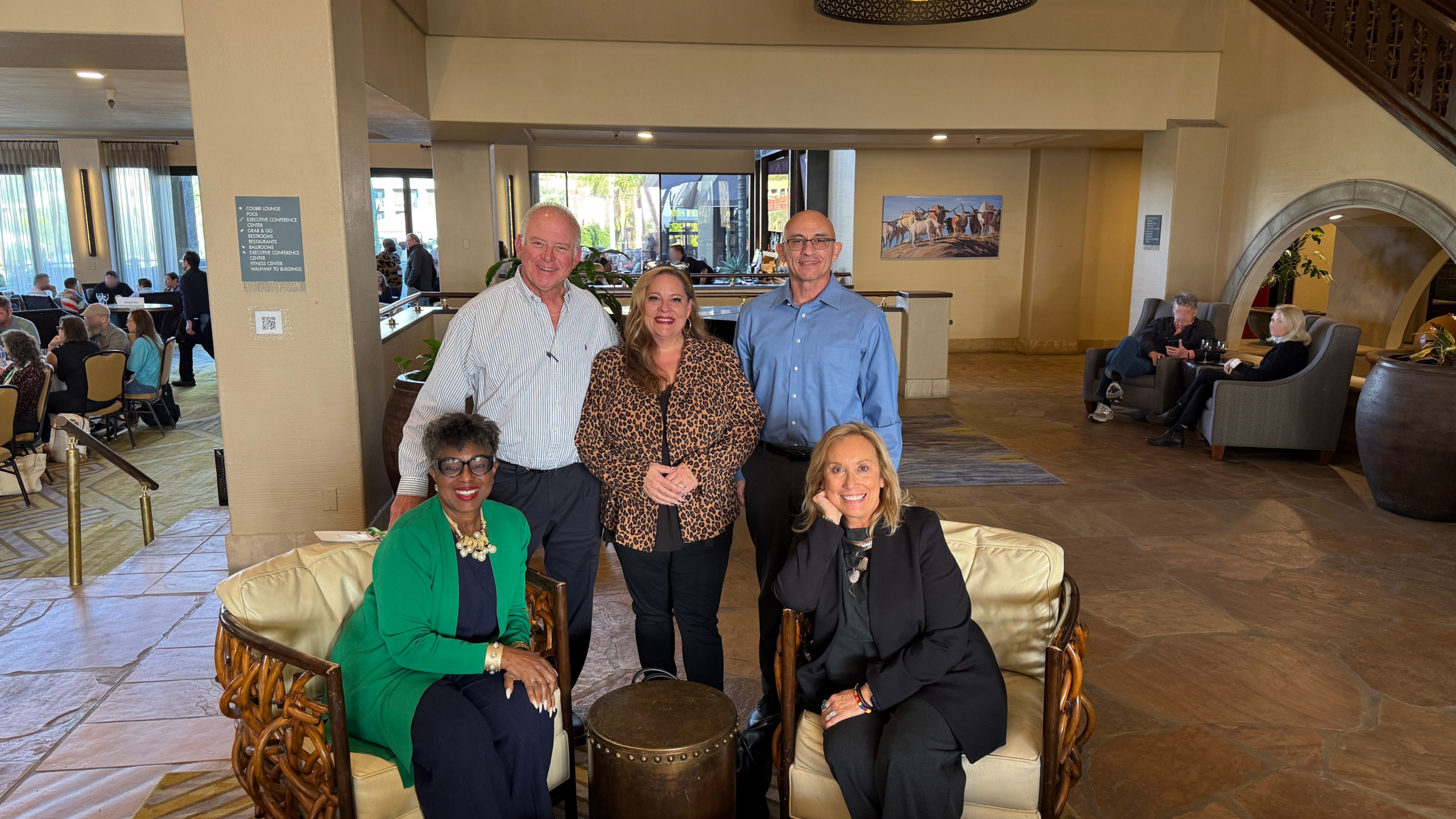
Our team recently sat down to reflect on what we observed, what surprised us, and what procurement leaders should be paying attention to next.
Watch or listen to the discussion here: Capsule 2 | Episode 1 NIGP 2026 Leadership Summit Recap